Credit Score Improvement Loans: What They Really Do to Your Credit
Credit score improvement loans won't fix your score overnight. See how credit-builder loans work, how to compare options, and what actually moves your score.

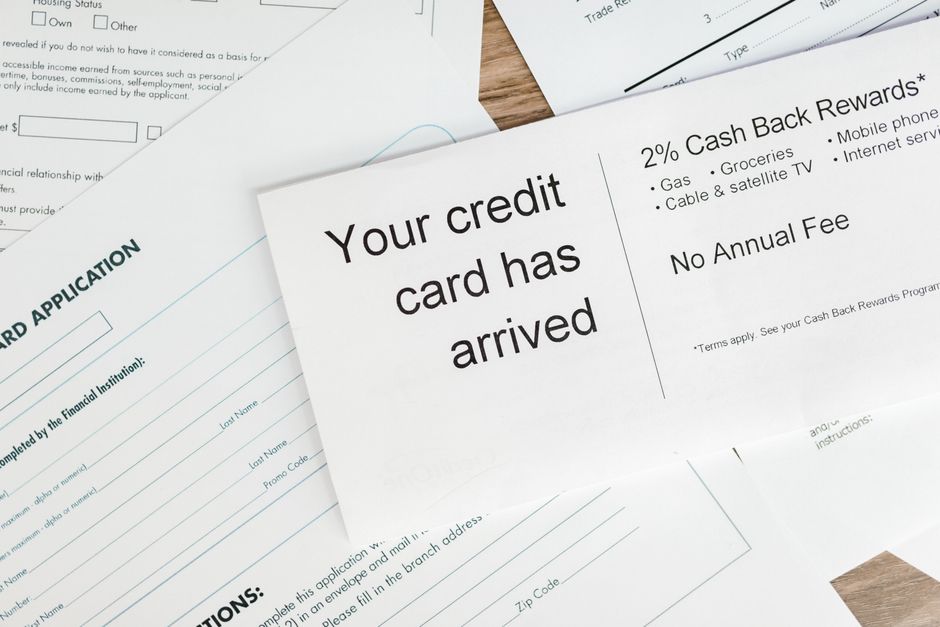
Type "credit score improvement loans" into a search bar and you'll get a flood of ads promising to fix your score fast, many run by a credit score improvement agency making bold claims about what they can actually deliver. Most of them are talking about credit-builder loans, a legitimate tool that's been quietly helping people build payment history since long before anyone slapped a marketing label on it. They're not magic, they're not instant, and they're not for everyone, but used right, they do exactly one thing well: they prove to the credit bureaus that you pay your bills.
Key Takeaways (the short version)
- A credit score improvement loan is usually just a rebranded credit-builder loan, not a special financial product.
- You don't get the cash upfront: you make payments first, then get the money at the end.
- On-time payments get reported to Equifax, Experian, and TransUnion, which is the entire point.
- A calculator can estimate the impact, but your actual score depends on everything else on your report too.
- Pairing the loan with dispute letters and utilization fixes works faster than the loan alone.
What Is a Credit Score Improvement Loan, Really?
A credit score improvement loan is almost always a credit-builder loan wearing a flashier name. Credit unions, community banks, and fintech apps offer them, and the mechanics are the same no matter who slaps the label on it: you're not borrowing money to spend, you're borrowing the right to build a payment record.
Here's how it actually works. The lender holds your loan amount, often somewhere between a few hundred and a couple thousand dollars — similar to how a $500 credit builder loan can move a score toward 700+ — in a locked savings account while you make monthly payments. You don't touch that cash yet. You just pay on time, month after month, and the lender reports every one of those payments.
Once the term ends, you get access to the funds. In some loan structures, whatever interest you paid gets refunded too.
Compare that to a personal loan or a payday-style product, where the cash lands in your account first and you spend the rest of the term paying it off. That order matters: a credit-builder loan flips the usual script on purpose, because the point was never the money. The point is the paper trail.
Does Taking Out a Loan Actually Raise Your Score?
No, the loan itself doesn't move your score an inch. What moves it is the boring, repetitive act of paying on time, every time, and having that behavior land on your credit reports — which is really the heart of whether a loan to build credit is worth it for your situation.
That distinction matters more than most ads let on. If you've got a thin file, or no credit file at all, a credit-builder loan gives the bureaus something to score you on in the first place. Scoring models can't reward good behavior they can't see, and a credit score is fundamentally an estimate of how likely you are to repay what you owe, built from whatever payment history exists.
It also helps your credit mix. Scoring models like seeing a combination of installment debt (fixed payments, fixed term) and revolving debt (credit cards). If all you've got is a maxed-out card, adding an installment loan you handle well rounds out the picture.
But here's the part people gloss over: miss a payment on one of these loans, and it hurts you exactly like missing any other bill would. There's no special protection because the word "credit-builder" is in the name. Treat it like rent. Miss it and you've just taught the bureaus the opposite lesson you were trying to teach them.
Credit-Builder Loan vs Secured Card vs Authorized User: Which Fits You?
There's no single "best" option here. Each one reports differently, costs differently, and fits a different starting point, so the right choice depends on what your file looks like today and how much control you want.
Secured credit cards ask for an upfront cash deposit, and in exchange you get ongoing revolving credit to manage. That's useful because revolving utilization (how much of your limit you're using) is one of the more responsive scoring factors. It's also riskier if you're the type who carries a balance instead of paying it off.
Authorized user status costs you nothing. You get added to someone else's account and, in a lot of cases, their history rubs off on your file. The catch: it depends entirely on their good behavior. If they miss a payment or run the balance up, that shows up on your report too, and you had zero say in it.
Credit-builder loans work best for people who want forced savings and a fixed, predictable payment they can't easily skip out on, and some of the best credit builder loans even return your interest at the end of the term. No revolving balance to accidentally mismanage, no dependence on someone else's habits. Just a set schedule you either meet or you don't.
| Feature | Credit-Builder Loan | Secured Credit Card | Authorized User |
|---|---|---|---|
| Upfront cost | None, funds held during the term | Cash security deposit required | Usually none |
| What gets reported | Installment payment history | Revolving utilization and payment history | Primary user's account history |
| Best for | Thin file or rebuilding payment history | Building revolving credit management skills | Fast history boost via someone else's good account |
| Main risk | Missed payments still hurt your score | High utilization can hurt if not managed | Primary user's mistakes can hurt you too |
Should You Trust a Credit Score Improvement Calculator?
Use one for direction, not a promise. A credit score improvement calculator estimates the potential point swing from paying down a balance, opening a new account, or adding payment history, but it's working off general assumptions, not your actual file — which is why using a credit score improvement calculator strategically matters more than just glancing at a number.
These tools are built on general FICO and VantageScore factor weightings. That's useful as a rough model, but it's not the same as knowing exactly what's sitting on your Equifax, Experian, and TransUnion reports right now. Two people with "similar" profiles can get different real-world results because scoring models weigh dozens of variables at once, and a calculator can't see all of yours.
Where they earn their keep: running the numbers before you apply for anything. Say you're deciding whether a credit-builder loan is worth a hard inquiry, or whether paying down a card this month actually matters versus waiting. Run the calculator before and after paying down that balance to see if the extra payment is worth making right now. That's exactly the kind of sanity check these tools are good for.
One more thing: rerun your estimate after a real change actually posts. Bureaus update on their own schedule, not yours, so don't expect the number to move the day you make a payment.
Where a PDF of Credit Repair Techniques Falls Short
A generic credit repair techniques pdf will get you the basics right and stop there. Dispute errors, pay down cards, don't close old accounts. All true, all fine as a starting checklist, and all missing the details that actually change outcomes.
What these PDFs rarely cover well: how to actually word a dispute letter so it doesn't get auto-rejected, or when a goodwill letter has a real shot versus when it's a waste of a stamp. Those are judgment calls that depend on your specific situation, not a template.
A static document also can't account for your specific report, your state's consumer protection laws, or which bureau is reporting what and when. Equifax, Experian, and TransUnion don't always have identical information, and a generic guide written for "everyone" can't know your particular mess.
Use the PDF as a checklist to make sure you're not skipping an obvious step, then compare it against credit repair tips that actually work before spending money on anything. Then verify every specific claim against your actual credit reports from all three bureaus before you act on it.
Common Mistakes That Cancel Out the Loan's Benefit
A credit-builder loan can't outwork bad decisions happening everywhere else on your report. If you're making the loan payments perfectly but sabotaging yourself elsewhere, don't be surprised when the score barely budges.
Maxed-out cards sitting untouched. Opening a credit-builder loan while still carrying high balances on your cards limits how much your score can realistically move. Utilization is a heavy factor, and one clean installment loan doesn't offset it.
Ignoring what's already wrong. If there's an inaccurate collection or an incorrectly reported late payment sitting on your file, paying diligently on a new loan while ignoring that error wastes half your effort. Fix what's broken while you build what's new.
Applying for everything at once. Stacking a credit-builder loan, a secured card, and a couple of other applications in the same month to "speed things up" just stacks hard inquiries. That's not acceleration, that's a self-inflicted dent.
Closing the account the day it's paid off. Let that paid history age on your report instead of closing it the moment the term ends. A closed account still counts for a while, but why cut it short for no reason?
The Bottom Line
Credit-builder loans do one job, and they do it honestly: they turn boring, consistent payments into proof the bureaus can see, which gets at the core of whether credit building loans are worth it in the first place. They're not a shortcut and they won't outrun a maxed-out card or an unresolved collection account, so use one as part of a real plan, not as the whole plan.
Frequently Asked Questions
How fast will a credit-builder loan raise my score?
There's no fixed timeline. Payment history builds gradually, and most people see movement after several months of on-time payments, not overnight.
Can I get a credit score improvement loan with bad credit?
Yes, that's actually who they're designed for. Many credit unions and community banks approve them with minimal credit history requirements since the funds are secured by the loan itself, and some credit builder loans skip the credit check entirely.
Is a credit score improvement calculator accurate?
It's a useful estimate, not a guarantee. It models general scoring behavior, but your real score depends on your full report, so use it for direction, not precision.
Should I use a free credit repair techniques pdf I found online?
It's fine as a basic checklist, but don't treat it as complete. Cross-check anything it tells you against your actual credit reports and current bureau dispute procedures.
Do credit-builder loans have interest or fees?
Most do charge some interest, and a few charge a small setup fee. Compare the total cost against the credit-building benefit before signing up.
What if I already have decent credit? Is this loan still worth it?
Probably not. The bigger wins for an established file usually come from lowering utilization and cleaning up errors, not from adding another account.