Credit Utilization Optimization Chart: Turn 30% Into 800+ Credit Score
Discover why higher credit utilization destroys your score & use our optimization chart to find your sweet spot. Real strategies that boosted scores 127+ poi...

Your credit utilization ratio might be silently sabotaging your credit score, even if you pay your bills on time every month. This critical metric—which measures how much of your available credit you're actually using—can make the difference between a 650 credit score and an 800+ score. With credit card debt reaching record levels in 2026 and interest rates remaining elevated, understanding exactly how to optimize your credit utilization isn't just about improving your score—it's about saving thousands of dollars in interest and unlocking better financial opportunities. Whether you're currently using 30%, 50%, or even 90% of your available credit, this comprehensive guide will show you exactly how to strategically manage your utilization to maximize your credit score potential.
Understanding Credit Utilization: The 30% Rule and Beyond
Credit utilization represents the percentage of your available credit limits that you're currently using across all your credit accounts. The calculation seems straightforward: divide your total credit card balances by your total credit limits, then multiply by 100. However, the reality is far more nuanced than this simple formula suggests.
Individual vs. Overall Utilization: Credit scoring models evaluate utilization at two distinct levels. Your overall utilization rate considers all credit cards combined, while individual card utilization examines each account separately. Having one card maxed out at 90% utilization can damage your score significantly, even if your overall utilization sits at a reasonable 15%.
The traditional 30% rule—suggesting you should never use more than 30% of your available credit—has become outdated in 2026's credit landscape. Current best practices indicate that maintaining utilization below 10% produces notably better results, with the sweet spot falling between 1-7% for most credit profiles.
Statement Balance vs. Current Balance: Here's where many people get tripped up. Credit card companies typically report your statement balance to credit bureaus, not your current balance. This means you could pay off your entire balance after receiving your statement, but if that statement showed a high balance, it's the high utilization that gets reported. Understanding this timing difference is crucial for optimization.
FICO and VantageScore models handle utilization differently. FICO 8 and FICO 9 heavily penalize high utilization, with dramatic score drops occurring above 30%. VantageScore 4.0 takes a slightly more forgiving approach but still considers utilization as a major factor. Both models reward extremely low utilization, with many users seeing score increases when dropping from 10% to 5% utilization.
The Science Behind Credit Utilization's Impact on Your Score
Credit utilization carries such weight in scoring models because it serves as a real-time indicator of financial stress and risk. Unlike payment history, which shows past behavior, utilization reflects your current financial situation. High utilization suggests you're relying heavily on credit, potentially indicating cash flow problems or overspending habits.
The Non-Linear Relationship: The relationship between utilization percentages and score impact isn't linear. Dropping from 90% to 30% utilization typically produces a larger score increase than reducing from 30% to 10%. However, the improvements from 10% to 5% can still be substantial, particularly for those already in the good-to-excellent credit range.
Risk assessment algorithms built into credit scoring models interpret high utilization as a warning sign. Someone using 80% of their available credit appears statistically more likely to miss payments or default, regardless of their past payment history. This explains why utilization can account for up to 30% of your overall credit score.
The impact varies significantly across different credit score ranges. Someone with fair credit (580-669) might see a 40-60 point increase by optimizing utilization from 75% to 15%. In contrast, someone already in the excellent range (740+) might gain 15-25 points from the same optimization, but those points often push them into the coveted 800+ category.
Take Sarah, a marketing manager who discovered her 85% credit utilization was keeping her score at 627 despite five years of perfect payments. By implementing a strategic paydown plan and optimizing her utilization to 15%, she watched her score climb 127 points over four months, reaching 754. This improvement qualified her for a mortgage refinance that saved her $280 monthly.
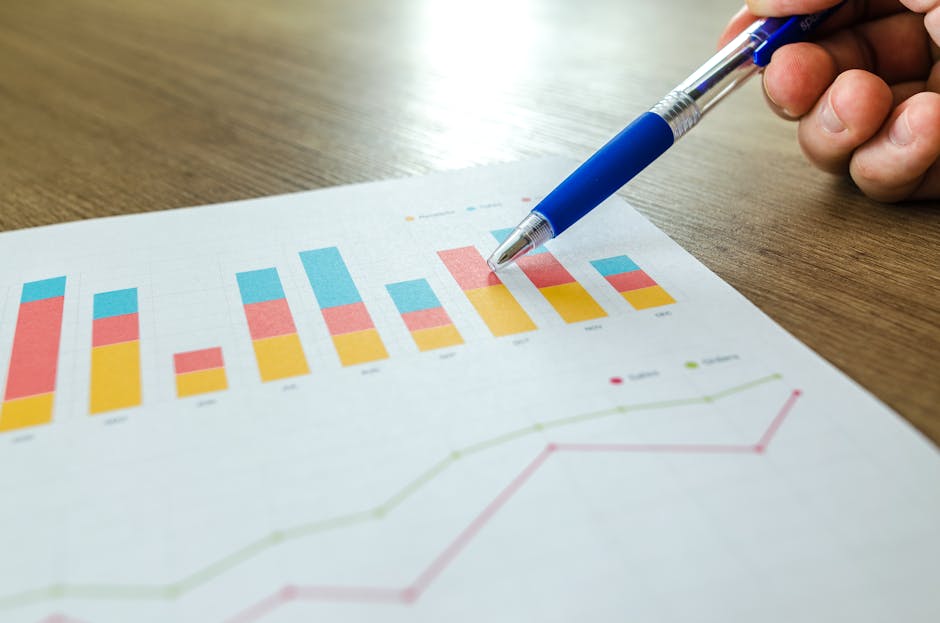
Credit Utilization Optimization Chart: Finding Your Sweet Spot
Understanding exactly how different utilization levels impact your score helps you make informed decisions about credit management. Here's the comprehensive breakdown:
0-1% Utilization:
- Score impact: Excellent (potential minor penalty for 0%)
- Best for: Established credit profiles seeking maximum scores
- Strategy: Pay balances before statement dates, leave small balances on 1-2 cards
1-7% Utilization:
- Score impact: Optimal for most profiles
- Best for: Anyone seeking 780+ scores
- Strategy: The sweet spot for score maximization
8-15% Utilization:
- Score impact: Very good, minimal score penalty
- Best for: Building credit while maintaining normal spending
- Strategy: Excellent for everyday use without micromanaging
16-30% Utilization:
- Score impact: Moderate penalty, still considered acceptable
- Best for: Those prioritizing convenience over score optimization
- Strategy: Traditional "safe" range, but not optimal
31-50% Utilization:
- Score impact: Significant penalty, noticeable score reduction
- Best for: Emergency situations only
- Strategy: Prioritize immediate reduction
51-75% Utilization:
- Score impact: Major penalty, substantial score damage
- Best for: No recommended use
- Strategy: Emergency debt reduction plan needed
76-100% Utilization:
- Score impact: Severe penalty, maximum score damage
- Best for: Crisis management only
- Strategy: Immediate intervention required
Your optimal utilization rate depends on your current credit profile and goals. Someone rebuilding credit after bankruptcy might initially aim for 15-20% while focusing on payment history. However, someone seeking to break into the 800+ range should target 1-7% utilization consistently.
Individual Card Strategy: Avoid having any single card exceed 30% utilization, even if your overall utilization remains low. Distribute balances across multiple cards when necessary, keeping each below 30% and your overall utilization in the optimal range.
Advanced Utilization Strategies for Maximum Score Optimization
Mastering utilization timing can dramatically accelerate your score improvements. The key lies in understanding when your credit card companies report to the bureaus and strategically timing your payments around these dates.
Payment Timing Strategy: Most credit card companies report your statement balance to credit bureaus within a few days of your statement closing date. To optimize utilization, make payments before your statement closes, not just before the due date. This ensures the lower balance gets reported instead of your higher statement balance.
Consider Marcus, a small business owner who spends $8,000 monthly on credit cards for business expenses. Instead of letting this amount appear on his statements, he makes weekly payments of $2,000, ensuring his statement balances never exceed $1,000 across all cards. This maintains his 5% utilization rate despite heavy usage, keeping his score above 800.
The Multiple Payment Method: For high spenders, making multiple payments throughout the month prevents utilization spikes. Set up automatic weekly payments for 25% of your typical monthly spending, or make payments every time your balance reaches a predetermined threshold.
Strategic Credit Limit Increases: Requesting credit limit increases provides instant utilization improvement without changing your spending. A $5,000 balance on a $10,000 limit card represents 50% utilization. Increase that limit to $20,000, and your utilization drops to 25% immediately. Request increases every six months across all accounts, especially important for those building credit from scratch.
Balance Transfer Optimization: Use balance transfers strategically to distribute utilization across multiple cards. Instead of carrying one card at 60% utilization, spread the balance across three cards at 20% each. The score improvement from this redistribution alone can be substantial.
Credit Utilization Calculator and Monitoring Tools
Building your own utilization tracking system ensures you never accidentally spike your utilization. Create a simple spreadsheet with the following columns: Card Name, Current Balance, Credit Limit, Individual Utilization %, and Target Balance for Optimal Utilization.
Real-Time Monitoring Tools for 2026:
- Credit Karma: Free weekly updates with utilization tracking
- Experian App: Real-time FICO score monitoring with utilization alerts
- Chase Credit Journey: Comprehensive tracking with personalized recommendations
- Capital One CreditWise: Free monitoring with utilization trend analysis
- Mint: Budgeting tool with built-in credit utilization tracking
Set up alerts when individual cards exceed 20% utilization or your overall utilization crosses 10%. Most credit card apps allow custom spending alerts that can prevent utilization surprises.
Monthly Optimization Routine:
- Week 1: Review all statement closing dates and current balances
- Week 2: Calculate target payment amounts to achieve optimal utilization
- Week 3: Execute payments before statement dates
- Week 4: Monitor reported balances and track score changes
The difference between 29% and 31% utilization might seem trivial, but it can represent a 15-30 point score difference. Someone with a 720 score using 29% utilization might see their score jump to 750 by reducing to 8% utilization, while the same person at 31% utilization might sit at 705.
Track your progress monthly and adjust strategies based on results. Someone consistently maintaining 5% utilization should see steady score improvements, typically reaching their maximum potential within 3-6 months of optimization.
Remember that utilization changes reflect on your credit report within 30-45 days of being reported. This means your strategic changes today will show up on your credit score in about 6-8 weeks, making patience and consistency crucial for success.