How Secured Credit Cards with Rewards Can Build Credit AND Earn Money in 2026
Discover how 2026's best secured credit cards with rewards help build credit while earning cash back. Compare PNC, IDFC benefits plus strategies to maximize ...

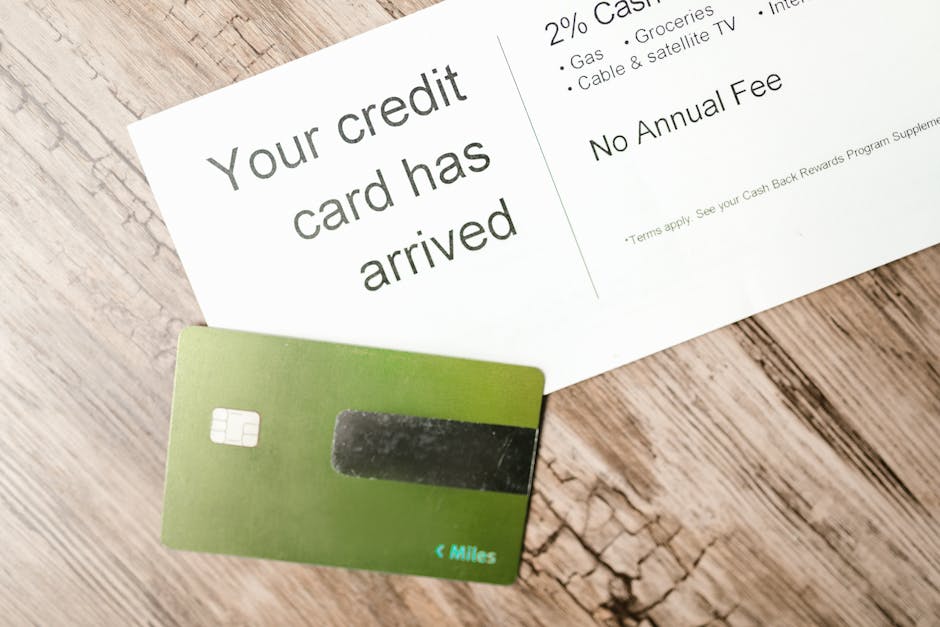
Gone are the days when secured credit cards were just basic credit-building tools without perks. In 2026, the secured credit card landscape has evolved dramatically, with major issuers now offering rewards programs, cash back opportunities, and premium benefits that rival traditional unsecured cards. If you're building or rebuilding your credit, you no longer have to sacrifice earning potential for financial progress. Today's secured credit cards with rewards can help you establish a positive payment history while putting money back in your pocket—making them a smart dual-purpose financial tool for anyone serious about credit improvement.
How Secured Credit Cards with Rewards Actually Work in 2026
Security Deposits and Credit Limits: The Foundation
Secured credit cards still require a refundable security deposit that typically becomes your credit limit. However, 2026's secured rewards cards have introduced more flexible deposit structures. Most issuers now accept deposits ranging from $200 to $5,000, with some premium secured cards allowing deposits up to $10,000 for higher earning potential.
Unlike the rigid 1:1 deposit-to-limit ratios of previous years, many secured credit cards with rewards now offer credit limit increases beyond your initial deposit after 6-12 months of responsible use. This evolution means your rewards earning capacity can grow alongside your improving credit profile.
Modern Rewards Structures on Secured Cards
The rewards landscape for secured cards has matured significantly. Current programs typically offer:
- Flat-rate cash back: 1-1.5% on all purchases
- Bonus categories: Up to 3-5% on rotating quarterly categories or specific spending types
- Points systems: 1-2 points per dollar with redemption flexibility
- Travel rewards: Miles earning on secured cards, previously unheard of
The key difference from unsecured cards lies in annual fee structures and redemption minimums, which tend to be more restrictive but still provide genuine value.
Calculating True Value: Fees vs. Rewards
Annual fees on secured rewards cards range from $0 to $95 in 2026. The break-even calculation is straightforward: divide the annual fee by your expected rewards rate. For a card with a $39 annual fee earning 1.25% cash back, you need to spend $3,120 annually to break even—just $260 per month.
Graduation Paths and Deposit Recovery
Most secured credit cards with rewards offer graduation to unsecured status within 8-24 months. Your deposit gets refunded upon graduation, and your account history transfers seamlessly. Some issuers now provide automatic reviews every six months, accelerating the graduation timeline for responsible users.
Top Secured Credit Cards with Rewards Programs
PNC Secured Credit Card Benefits
The PNC secured credit card benefits package has become increasingly competitive in 2026. The card offers 1.25% cash back on all purchases with no annual fee, making it an excellent choice for consistent rewards earning. Key features include:
- No foreign transaction fees
- Quarterly automatic account reviews for graduation
- Cash back redemption starting at $1 (no minimum)
- Access to PNC's credit monitoring tools
PNC's graduation process is particularly borrower-friendly, often upgrading accounts to their Cash Rewards unsecured card within 12 months for users who maintain utilization below 30% and make on-time payments.
IDFC Secured Credit Card Benefits
For those eligible, IDFC secured credit card benefits provide compelling value in the international secured card space. The card features:
- Reward points on all transactions (1 point per ₹100 spent)
- Bonus points on dining and fuel purchases
- Milestone bonuses for annual spending thresholds
- Comprehensive travel insurance and purchase protection
The IDFC program stands out for its low foreign currency markup and extensive merchant partnerships, making it valuable for users with international spending needs.
Capital One and Discover Comparisons
Capital One Platinum Secured focuses on graduation speed over rewards, but their 2026 updates include small cash back bonuses for account milestones. Discover it® Secured remains the gold standard, offering 2% cash back on gas and restaurants (up to $1,000 combined per quarter) plus 1% on everything else, with first-year cash back matching.
Credit Union Alternatives
Local credit unions have dramatically improved their secured card offerings. Many now provide 1-2% cash back with lower fees and more flexible underwriting. Navy Federal, PenFed, and Alliant Credit Union lead this space with competitive rewards structures and member-focused benefits.
Maximizing Rewards While Building Credit Score
Strategic Category Spending
The most effective approach combines high-reward categories with credit-building discipline. Focus spending on:
- Bonus categories when available (gas, groceries, dining)
- Recurring bills for consistent payment history
- Small, regular purchases rather than large, infrequent ones
This strategy maintains low utilization while maximizing rewards velocity.
Optimal Utilization for Secured Cards
While the general rule suggests keeping utilization below 30%, secured card users building credit should target under 10% for maximum score impact. With a $1,000 credit limit, keep balances below $100. This approach may limit rewards volume initially but accelerates credit score improvement.
Real-world example: Sarah started with a PNC secured card and a $500 deposit. By keeping her utilization at 8% and spending $40 monthly on gas and groceries, she earned $6 in cash back monthly while raising her credit score from 580 to 720 over 18 months—earning $180 total in rewards during her credit-building journey.
Payment Timing for Maximum Impact
Pay balances before statement closing dates to report low utilization, then make small purchases afterward to show active usage. This technique, called "utilization cycling," optimizes both credit reporting and rewards earning.
Advanced Strategies: From Secured Rewards Cards to Premium Credit
Building Issuer Relationships
Maintaining a secured rewards card with consistent usage and payments creates valuable banking relationships. Card issuers track internal customer behavior more closely than credit bureau data, often extending pre-approved offers for premium cards to responsible secured card users.
Graduation Timing and Upgrade Opportunities
Don't immediately close your secured card after graduation. Many issuers offer product changes to higher-reward cards within their portfolio. This preserves your oldest account age—crucial for long-term credit health—while accessing better rewards structures.
Authorized User Integration
Combine secured card use with authorized user positions on family members' accounts with excellent payment history. This dual approach accelerates credit building while maintaining your independent credit relationship through the secured card.
Business Credit Transition
After 12-18 months of secured card history, consider business credit cards using your established personal credit profile. Business cards often provide higher rewards rates and don't impact personal credit utilization calculations.
Common Mistakes That Kill Both Credit Progress and Rewards Earning
Rewards Chasing at Credit's Expense
The biggest trap involves overspending to maximize rewards while destroying utilization ratios. A 30% utilization rate earning 2% cash back costs far more in credit score damage than the rewards provide in value.
Mathematical reality: Spending $1,000 monthly on a $1,000-limit card earns $120 annually at 1% cash back but can drop credit scores by 50-100 points due to high utilization reporting.
Fee-to-Reward Imbalances
Many secured cards with rewards carry annual fees that exceed realistic reward earning for typical spending levels. Calculate break-even points before applying:
- $39 annual fee ÷ 1% rewards = $3,900 annual spending needed
- $95 annual fee ÷ 1.5% rewards = $6,333 annual spending needed
Payment Date Disasters
Late payments on secured cards are particularly damaging because you're actively trying to build credit. Set up automatic payments for at least the minimum amount, and use calendar reminders for full balance payments to maintain optimal utilization.
Multiple Application Mistakes
Applying for several secured cards simultaneously generates multiple hard inquiries without additional benefit. Most people need only one secured card for effective credit building. Focus on maximizing that single relationship rather than spreading efforts across multiple accounts.
The landscape of secured credit cards with rewards continues evolving rapidly. By understanding these tools' dual nature—credit building and rewards earning—you can make strategic decisions that improve your financial position on both fronts. The key lies in treating these cards as stepping stones to better credit products rather than permanent solutions, while extracting maximum value during the building process.