How to Increase Credit Score to 800+ and Join the Elite 23% in 2026
Learn proven strategies to reach an 800+ credit score and unlock premium rates. From AZEO methods to payment timing—join the elite 23% with this 2026 guide.

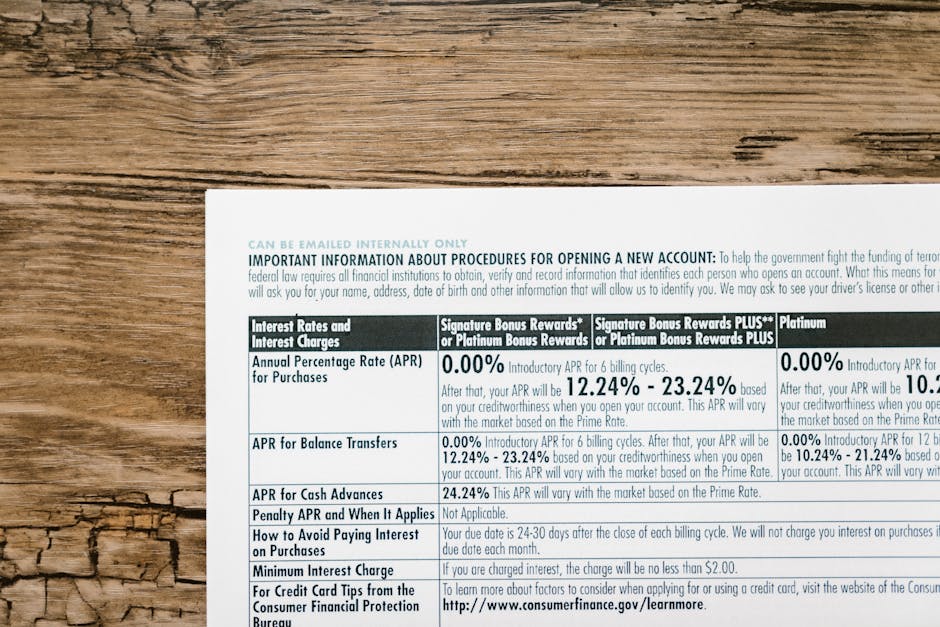
Reaching an 800+ credit score isn't just a financial milestone—it's your gateway to the best interest rates, premium credit cards, and thousands of dollars in savings over your lifetime. While only about 23% of Americans achieve this elite credit tier, the strategies to get there are more straightforward than you might think. Whether you're building credit from scratch or starting from a 650 score or already sitting at 750, this comprehensive guide will show you the exact steps to break into the 800+ club and unlock the financial benefits that come with exceptional credit.
Understanding the 800 Credit Score Landscape in 2026
The difference between good credit and exceptional credit becomes crystal clear when you examine the numbers. An 800+ credit score places you in the top quartile of American consumers, but the financial rewards extend far beyond bragging rights.
Consider this real-world scenario: On a $400,000 mortgage, the difference between a 796 credit score and an 805 score can mean the difference between a 6.8% and 6.5% interest rate. That seemingly small gap translates to approximately $240 less per month in mortgage payments—$86,400 in savings over the life of a 30-year loan.
How Rare is a 796 Credit Score?
A 796 credit score sits in an interesting position within the credit scoring hierarchy. While it's technically classified as "excellent" credit, it falls just short of the 800+ threshold that unlocks the absolute best lending terms. Approximately 25-27% of consumers have scores between 750-799, making a 796 score relatively exclusive but not quite elite.
The jump from 796 to 800+ represents more than just four points—it's the difference between excellent and exceptional credit treatment. Lenders often have internal scoring tiers, and many reserve their absolute best rates and terms for the 800+ category.
Current Scoring Model Updates
The FICO 10T model, which has gained broader adoption throughout 2025 and into 2026, places increased emphasis on trending data and payment consistency over longer periods. This means achieving and maintaining an 800+ score requires sustained excellent credit management, not just short-term optimization.
VantageScore 4.0 continues to compete with FICO, and its algorithm weights medical debt less heavily while considering rental payments and utility bills in certain circumstances. Understanding which scoring model your target lender uses can influence your optimization strategy.
The Foundation: Mastering Payment History and Credit Utilization
Payment history remains the most critical factor, accounting for 35% of your FICO score. However, reaching 800+ requires more than simply paying on time—it demands strategic timing and precision.
Advanced Payment Timing Strategies
The key to maximizing your payment history benefit lies in understanding reporting cycles. Most credit card companies report to bureaus once monthly, typically on your statement closing date. To optimize your score:
Strategic Payment Scheduling:
- Pay your balance in full 2-3 days before your statement closes
- Keep one card with a small balance (1-9% utilization) to show active credit use
- Set up automatic payments as a safety net, but manually manage timing for optimization
The 1% Utilization Rule vs. Zero Balance Strategy
Traditional advice suggests keeping utilization below 30%, but 800+ scores require much lower utilization rates. The optimal strategy often involves the All Zero Except One (AZEO) method:
- Pay all cards to zero before statement closing
- Allow one card to report a small balance (1-5% of its limit)
- Ensure your overall utilization stays below 2%
AZEO Implementation Example:
Sarah had four credit cards with limits of $5,000, $8,000, $12,000, and $15,000 (total: $40,000). She implemented AZEO by:
- Paying three cards to zero before statement dates
- Keeping $150 balance on her highest-limit card (1% utilization)
- Achieving 0.375% overall utilization
- Seeing her score jump from 720 to 815 over eight months
Micromanaging Statement Dates
Contact your credit card companies to stagger statement closing dates throughout the month. This gives you better control over which card reports a balance and allows for more precise utilization management.
Strategic Credit Building for the 800+ Range
Reaching exceptional credit scores requires a sophisticated approach to credit portfolio management that goes beyond basic responsible usage.
Credit Age Optimization
Average account age contributes significantly to scores above 800. The strategy here involves careful account management:
Keep Old Accounts Active:
- Use your oldest cards for small, recurring purchases
- Set up automatic payments to prevent closure due to inactivity
- Never close your oldest account unless it has a substantial annual fee that outweighs the credit benefit
Strategic New Account Timing:
- Space new applications at least 6-12 months apart when targeting 800+ scores
- Consider the temporary score impact vs. long-term credit limit benefits
- Focus on cards from issuers you don't already have relationships with for credit mix diversity
The Authorized User Strategy
Adding yourself as an authorized user on someone else's well-managed, aged account can provide rapid score acceleration. The ideal authorized user account features:
- Account age of 10+ years
- High credit limit
- Consistent zero or low utilization
- Perfect payment history
This strategy can be particularly powerful when moving from the 750s into the 800s, as it immediately improves your average account age and available credit.
Credit Mix Optimization
FICO scores reward credit diversity. The optimal mix for 800+ scores typically includes:
- 3-5 revolving accounts (credit cards)
- 1-2 installment loans (auto, personal, or mortgage)
- Potentially one retail account (store card)
Avoid opening accounts solely for mix improvement, but consider this factor when making legitimate borrowing decisions.
Advanced Tactics: From 700 to 800 in Record Time
The question "how to get a 700 credit score in 30 days" reflects a common desire for rapid improvement, and while dramatic increases are achievable through proven strategies that can boost your score 50-100+ points in 30-90 days, they require specific circumstances and aggressive optimization. While dramatic increases are possible, they require specific circumstances and aggressive optimization.
The 30-Day Credit Score Boost Strategy
Achieving significant score improvements in 30 days requires perfect timing and often some luck with reporting cycles:
Week 1-2: Dispute and Clean Up
- Review all three credit reports for errors
- Dispute any inaccuracies immediately
- Contact creditors directly for rapid resolution of obvious mistakes
Week 2-3: Utilization Optimization
- Implement AZEO strategy
- Request credit limit increases on existing cards
- Pay down balances strategically before statement dates
Week 3-4: Payment Timing Precision
- Ensure all payments report on time
- Optimize statement closing dates
- Monitor credit monitoring services for real-time updates
Realistic Expectations for 30-Day Improvement:
Starting at 650: Potential to reach 700+ with aggressive optimization and error removal
Starting at 720: Possible to reach 750-760 with perfect execution
Starting at 780: May reach 800+ if minor negative items are removed
Dispute Strategies for Score Optimization
Effective dispute strategies focus on legitimate errors that impact high credit scores, and for comprehensive approaches that can deliver dramatic improvements, consider implementing advanced credit repair techniques that boost scores 100+ points:
High-Impact Dispute Targets:
- Incorrect late payments (especially recent ones)
- Inaccurate credit limits (lower than actual)
- Accounts that aren't yours
- Duplicate accounts or entries
Strategic Dispute Timing:
Submit disputes so resolution occurs before major credit applications. Allow 30-45 days for investigation completion.
Pay-for-Delete and Goodwill Negotiations
For the final push into 800+ territory, addressing any remaining negative items becomes crucial:
Goodwill Letter Strategy:
- Target creditors with whom you have positive payment history
- Acknowledge responsibility while requesting removal as a gesture of goodwill
- Emphasize your improved financial situation and future business value
Pay-for-Delete Considerations:
While less common with major creditors, collection agencies may still negotiate removal in exchange for payment. Always get agreements in writing before making payment.
Maintaining and Maximizing Your 800+ Credit Score
Achieving an 800+ credit score is only half the battle—maintaining it requires consistent attention and strategic planning.
Monthly Maintenance Routines
Week 1: Monitor and Review
- Check credit monitoring alerts
- Review account balances and upcoming statement dates
- Identify any unusual activity or potential issues
Week 2: Payment Planning
- Calculate optimal payment amounts and timing
- Adjust utilization across cards as needed
- Ensure automatic payments are functioning correctly
Week 3: Credit Limit Management
- Request increases on cards you've held for 6+ months
- Monitor for automatic increases from issuers
- Rebalance utilization after limit changes
Week 4: Account Maintenance
- Make small purchases on inactive cards
- Review credit reports for changes or updates
- Plan any necessary credit applications or major financial moves
Leveraging Your 800+ Score
An exceptional credit score opens doors to:
- Premium credit cards with valuable rewards and benefits
- The lowest available interest rates on mortgages and auto loans
- Higher credit limits and better terms on existing accounts
- Negotiating power with lenders and creditors
Common Mistakes That Drop Scores Below 800
Credit Utilization Oversights:
- Allowing utilization to spike above 10% even temporarily
- Closing cards and reducing available credit
- Missing optimal payment timing due to automation issues
Account Management Errors:
- Closing old accounts to "simplify" finances
- Opening too many new accounts in a short period
- Neglecting inactive cards until they're closed by the issuer
Automated Systems for Credit Preservation
Set up systems to protect your 800+ score:
- Credit monitoring with real-time alerts
- Calendar reminders for statement dates and payment timing
- Automatic small purchases on inactive cards
- Regular credit limit increase requests
- Annual credit report reviews from all three bureaus
The path to an 800+ credit score requires patience, precision, and persistence. By implementing these strategies systematically and maintaining consistent credit management habits, you'll not only join the elite 23% of Americans with exceptional credit but also unlock thousands of dollars in lifetime savings through better lending terms and financial opportunities. The key lies in treating credit management as an ongoing financial strategy rather than a one-time optimization effort.